
Empowering Local
Blockchain Policy Leaders
The Digital Chamber's State Network Microgrants Program supports state-based organizations advancing blockchain, digital asset, AI, and emerging technology policy through education, collaboration, and community engagement.
2026 Grant Overview
The Digital Chamber's State Network Microgrants Program is a State Network initiative designed to strengthen state-level leadership on blockchain, digital assets, and emerging technology policy.
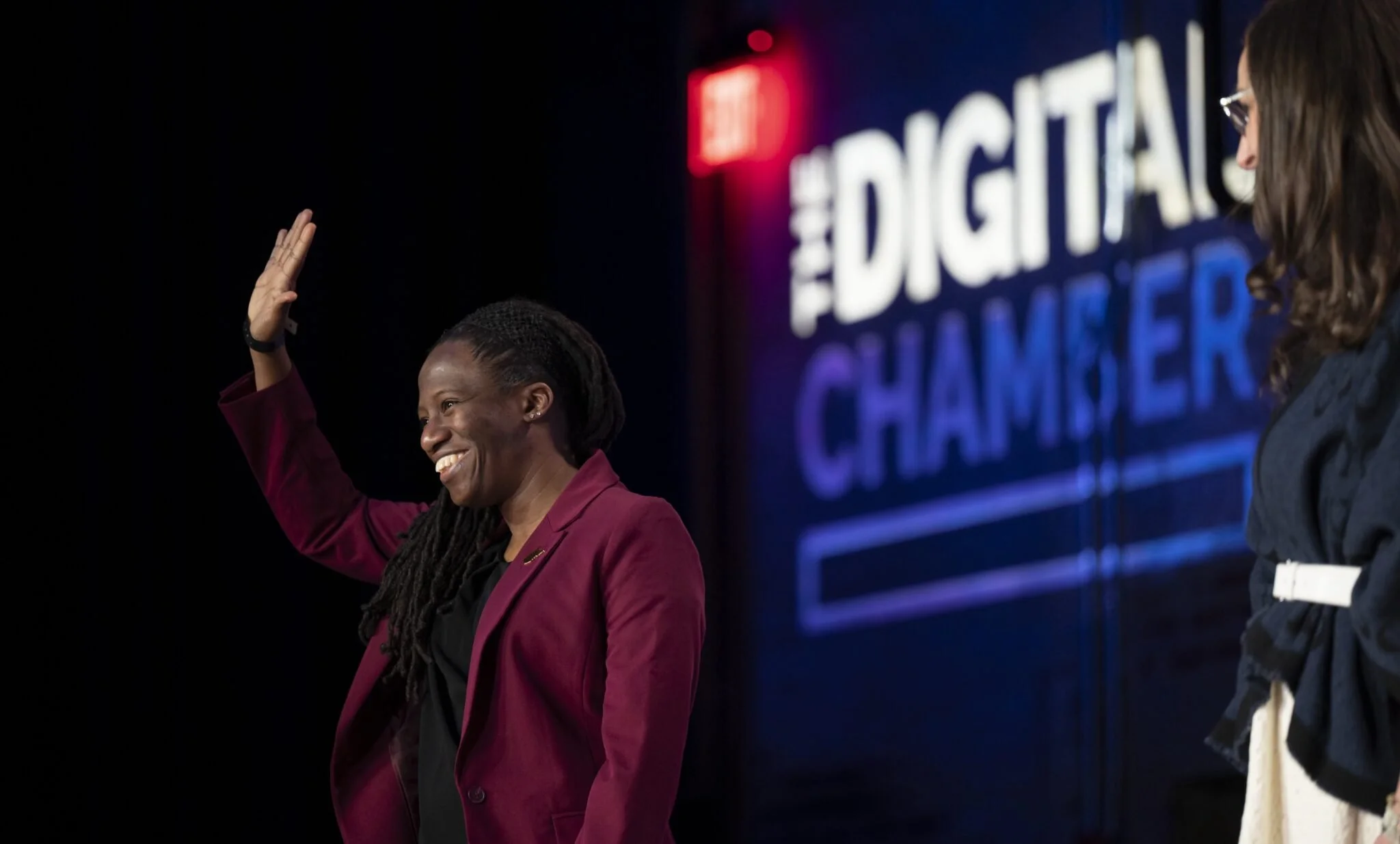
For the 2026 cohort, five organizations were selected to receive $2,000 microgrants to support projects ranging from policymaker roundtables and legislative workshops to public education events and technology conferences. Recipients were recognized during DC Blockchain Summit 2026and will continue collaborating with The Digital Chamber's State Network throughout the year.
Frequently Asked Questions (FAQ)
-
The program is intended to:
Strengthen local blockchain ecosystems
Support grassroots policy education and coalition-building
Elevate credible, locally driven voices in state policy conversations
Identify opportunities for longer-term collaboration within the State Network ecosystem
-
Eligible applicants include:
State or regional blockchain associations
University blockchain clubs or fintech-focused student organizations
Nonprofit or community-based organizations advancing digital asset literacy
Coalitions or partnerships that engage directly with policymakers, chambers of commerce, or civic leaders
Applicants must demonstrate a clear state or regional footprint and the capacity to execute programming during the grant period.
-
The following are not eligible:
For-profit companies applying on their own behalf
Individuals without an affiliated organization
National organizations without a clear state-based project
Projects that are primarily commercial, partisan, or promotional
-
Each microgrant is $2,000
Up to five awards will be made during the pilot phase
Funds are intended to be catalytic and support discrete, clearly scoped projects.
-
Applications will be reviewed by a committee composed of:
The Digital Chamber leadership and/or
Members of TDC’s State Network working group
Selections will be made based on impact, alignment, and execution readiness.
-
No. However, grantees will be invited to participate in additional State Network opportunities as they arise.
-
Eligible projects include, but are not limited to:
Policymaker roundtables, briefings, or statehouse education sessions
Sandboxes, hackathons, industry demo days, or other programming geared towards lawmakers, government staff, regulators, and other policy stakeholders
Community or campus events focused on blockchain policy engagement
State-level research, issue briefs, or policy guides developed in collaboration with the Digital Chamber State Network
Convenings that bring together policymakers, educators, industry, and community stakeholders with clear policy-oriented programming
Projects must be nonpartisan and policy-relevant.
-
Grant funds are unrestricted and may be used for:
Venue and event costs
Speaker travel or honoraria
Educational materials and printing
Outreach, communications, and light research expenses
Funds may not be used for lobbying, political contributions, or unrelated operational overhead.
-
Applications will be reviewed based on:
Policy relevance: Alignment with The Digital Chamber’s State Network policy priorities
Local impact and credibility: Demonstrated local credibility and policy access
Feasibility: Clear scope, realistic timeline, and defined outcomes
Regional importance: Contribution to geographic diversity and strategic state engagement
Partnership potential: Potential for long-term collaboration with The Digital Chamber’s State Network
-
Program launch: January 2026
Application window: Three weeks
Award announcement: March 2026, live at The Digital Chamber’s Blockchain Summit
Project implementation period: March through December 2026
-
Each grantee will be asked to submit a short post-project report that includes:
Event or project summary
Attendance or participation metrics
Photos and social media links
Policy or educational outcomes
Recommendations for continued collaboration
Reporting requirements are designed to be light-touch and practical.
-
Yes. All grantees must:
Display The Digital Chamber’s State Network branding on relevant materials
Coordinate with the State Network team on public announcements or communications
The Digital Chamber’s State Network will amplify projects through its channels.